Between UNESCO World Heritage forests, medieval castles and trails for the whole family, the Casentino is authentic Tuscany, waiting to be discovered with children.
The Casentino, the Tuscany children never forget
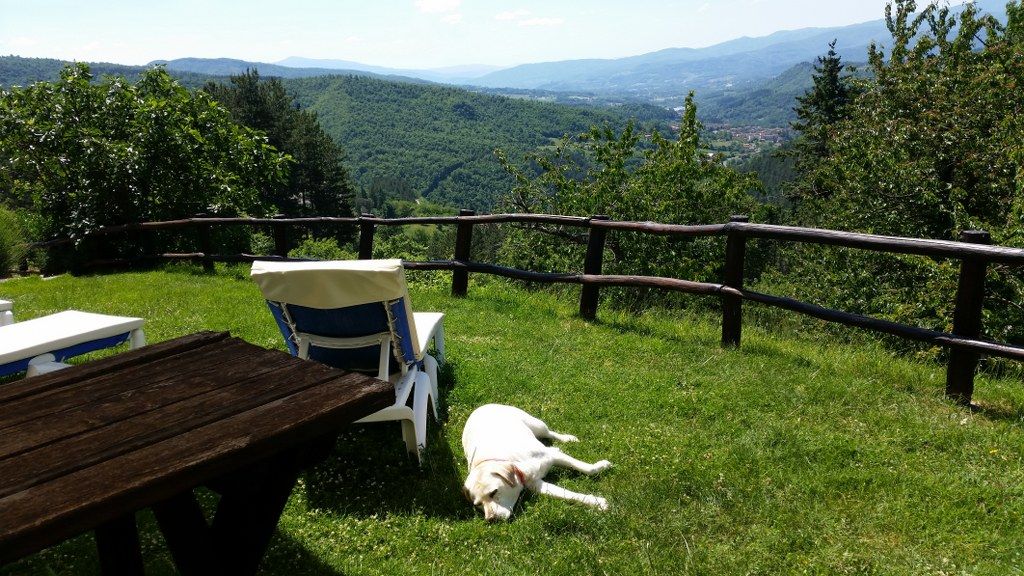
This isn't the Tuscany of glossy postcards, but the real one: valleys traced by the Arno, which is born here on the slopes of Monte Falterona, at 1,654 metres above sea level. The Casentino covers almost 827 km² in the province of Arezzo, a mosaic of twelve municipalities enclosed between the ridges of the Apennines and the green heart of the Parco Nazionale delle Foreste Casentinesi. For a family in search of space, clean air and stories to tell in the evening, it is a land that lets itself be discovered unhurriedly, one step at a time — just the way children like it.
A national park made for families
The Parco Nazionale delle Foreste Casentinesi, Monte Falterona e Campigna stretches over almost 37,000 hectares. Established in 1993, it rises from 400 metres to the 1,658 metres of Monte Falco. Within its boundaries grow ancient beech and fir woods, so precious that in 2017 UNESCO declared them a World Heritage Site; the Sasso Fratino integral nature reserve, the first of its kind in Italy, created in 1959, preserves forests untouched by human hand.
For those travelling with children, the park offers slower, more playful ways to explore than the classic hiking trails: nature paths designed to be walked by the whole family, donkey-assisted trekking, e-bikes for those who want to cover more ground with less effort, boat and canoe outings, and even a park train for more comfortable journeys. The educational and information facilities scattered across the area provide places to stop, information and activities designed for schools too, with summer camps and programmes dedicated to little ones throughout the year.
Castles, villages and stories to tell your children
The Casentino is home to more than sixty fortifications, the legacy of the Guidi counts who ruled the valley for centuries. In Poppi, counted among the Borghi più belli d'Italia, stands the castle that gives the village its name; a few kilometres away, in the municipality of Pratovecchio Stia, rise the Castello di Romena, with its three towers dating back to the 11th century, and the Castello di Porciano, built around the year 1000, where Dante Alighieri stayed after his exile from Florence, hosted by the Guidi counts. It was in this very valley, on the plain of Campaldino, that the famous battle of 1289 was fought — with Dante himself taking part.
Pratovecchio Stia, the administrative seat of the National Park, is also home to the Museo della Lana, dedicated to one of the valley's most distinctive craft traditions: wool working and the panno casentino. A wonderful way to let children touch a piece of local history, among looms and materials that tell of centuries of labour.
Hermitages and silence among the woods
Two places of Franciscan spirituality are worth a stop, if only for the beauty of the woods that surround them: the Santuario della Verna, given to Saint Francis in 1213, and the Eremo di Camaldoli, founded in 1012 by Saint Romuald, with its small artificial lake offering a corner of pure quiet. There is no need to tell children the whole story: simply let them run free in the silence of the centuries-old woods that embrace both places.
Autumn, the most magical season
If there is one moment when the Casentino seems written especially for families, it is autumn: mushroom hunting, chestnut gathering and, as evening falls, listening to the bellowing of the stags are among the seasonal activities the park offers each year. A way to teach children the rhythm of the seasons, far more effective than any book.
From Borgo Tramonte, with all the time in the world
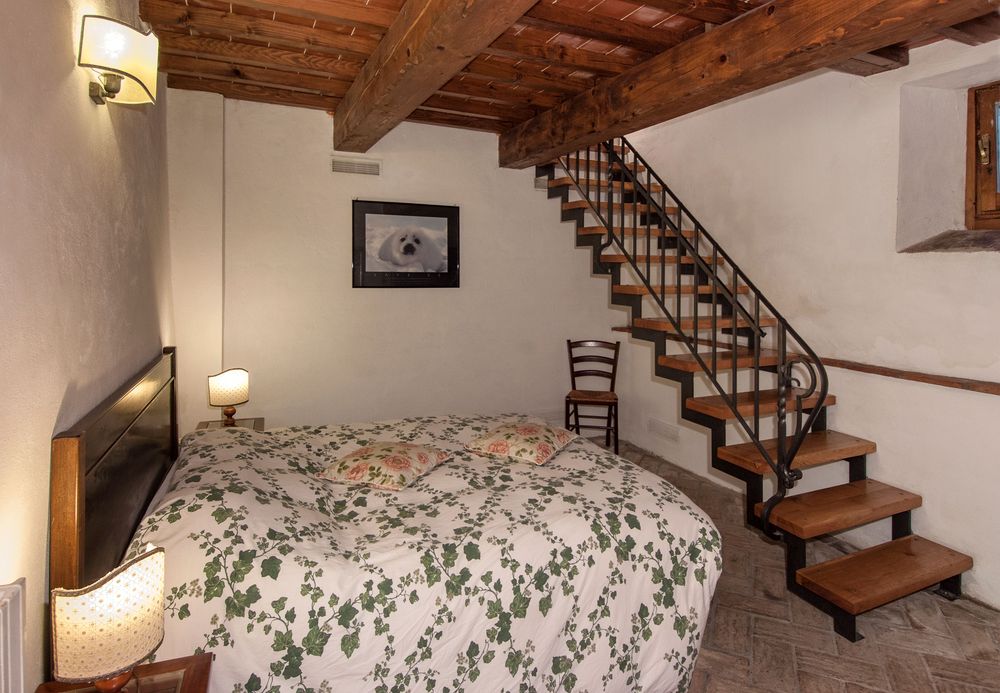
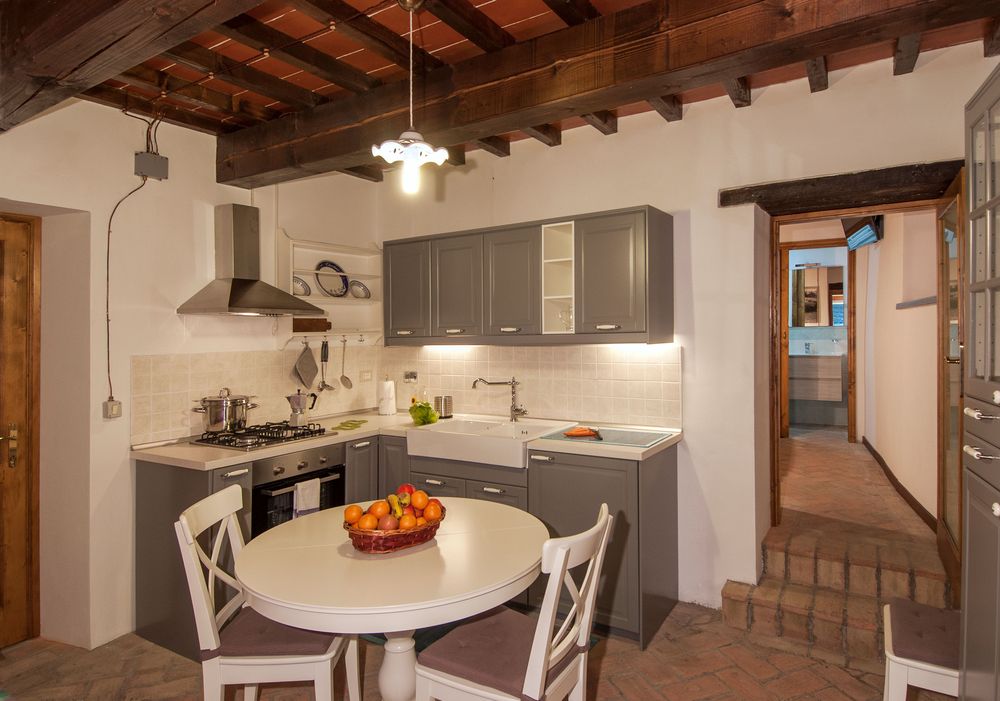
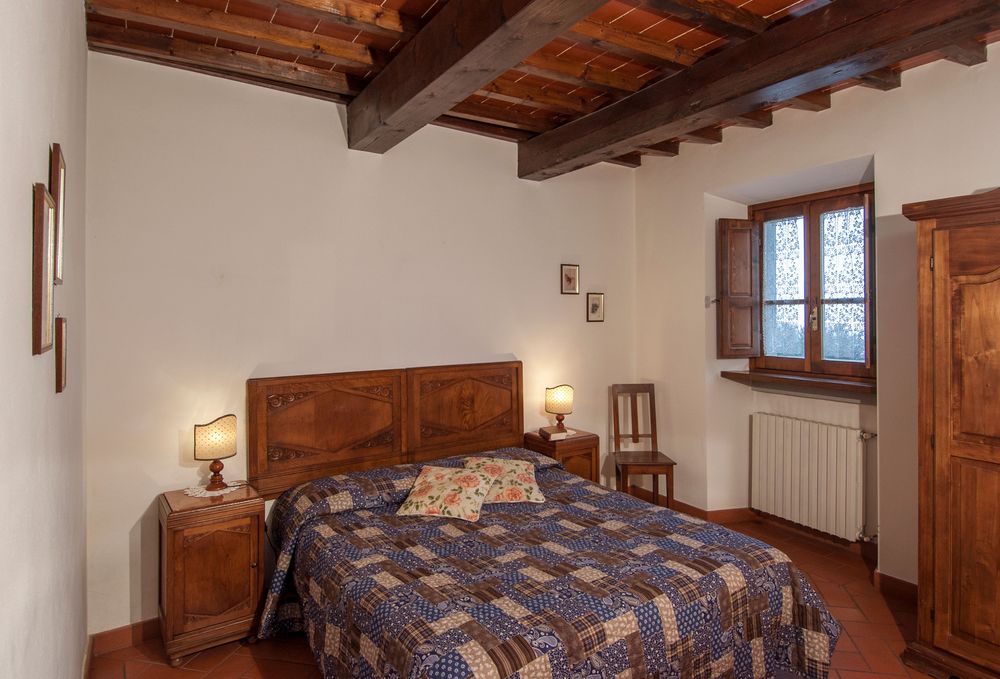
It is from a retreat like Borgo Tramonte that the Casentino reveals itself best: a welcoming base from which to set off in the morning towards a castle or a trail in the park, and to return to in the evening, when children have rosy cheeks and the valley prepares for darkness. No rigid itinerary is needed: simply choose a different story to tell each day, among medieval towers, thousand-year-old woods and silent hermitages.
<!-- sources: https://it.wikipedia.org/wiki/Casentino, https://it.wikipedia.org/wiki/Parco_nazionale_delle_Foreste_Casentinesi,_Monte_Falterona_e_Campigna, https://www.parcoforestecasentinesi.it, https://www.comune.pratovecchiostia.ar.it -->